Reasonable Expectations: What a Plot-Grown Christmas Dinner Actually Looks Like
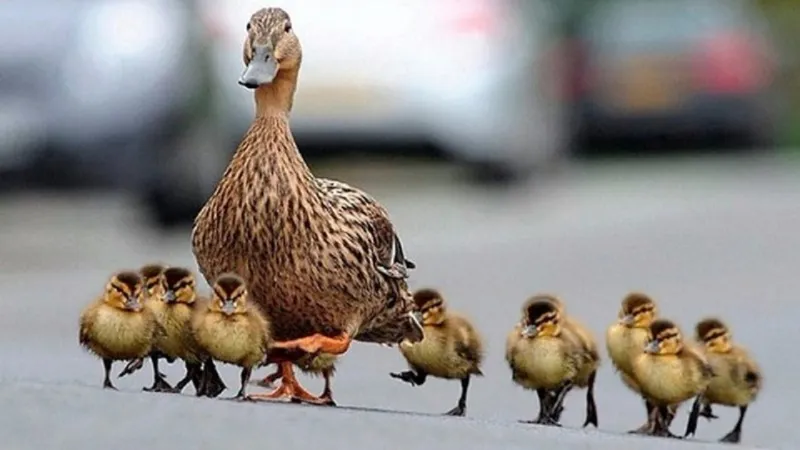
Photo: freshly harvested winter vegetables parsnips leeks Brussels sprouts kale on rustic wooden table with frost, via i.ytimg.com
Every November, a certain kind of daydream takes hold. You picture yourself on Christmas Eve, basket on arm, crunching across the plot in the last of the light, returning home with a dinner that owes nothing to the supermarket. It's a lovely image. It's also about forty per cent achievable — and the trick to enjoying the forty per cent is being honest about the other sixty.
So let's be honest. Here's what a UK grower can genuinely lift, cut and dig in the depths of December, and where the wishful thinking creeps in.
The shortlist that actually delivers
Start with the crops that genuinely shrug off December. Parsnips sit at the top of that list because frost does them a favour: the cold converts stored starch to sugar, so a parsnip that survived a couple of hard nights tastes noticeably sweeter than one lifted in October. Leeks are similarly reliable — they stand in the ground for months, need nothing from you, and a fat one sliced into a pan of stock is the backbone of the whole meal. Sprouts, if they were sown early enough and firmed in properly, will be standing there waiting. So will cavolo nero, curly kale and a winter cabbage or two.
Beyond that, it's the store that fills the gaps. Winter squash lifted in September and cured somewhere dry will still be sound in late December. Onions, garlic and shallots plaited and hung in a cool shed are quietly doing their job. Celeriac and swede can be left in the ground until needed, and Jerusalem artichokes will happily stay put until you want them — though you'll be digging in earnest.
What you're not going to do is produce the whole plate. Nobody's growing a turkey, and the pigs in blankets are safe from your plot. Herbs are a realistic bonus: rosemary, thyme, sage and bay will all be standing in a reasonably sheltered spot.
The summer decisions behind a winter plate
Here's the part that gets forgotten in December: none of this happens by accident. A Christmas dinner is decided somewhere between February and July.
Sprouts need sowing in April or May and planting out by early summer, with the growing tip nipped out in autumn so the buttons firm up rather than stretching. Parsnips want a long season — sow them from late February onwards into ground that hasn't been recently manured, or you'll get forked, hairy roots that are a nightmare to scrub. Leeks are usually sown in March or April and planted out in June, dropped into dibbed holes and watered in rather than firmed. Kale and winter brassicas go in around May and June. Winter squash gets sown under cover in April and needs every bit of the summer to ripen before the skin hardens.
Miss those windows and no amount of Christmas Eve optimism will fix it. That's not a criticism — it's just how the calendar works. If you're reading this in November with an empty bed where the sprouts should be, the useful move is to note the dates and set a reminder for next spring.
Where the fantasy creeps in
Every year, someone on an allotment forum asks whether they can have new potatoes on Christmas Day. You can, in the sense that it's technically possible with a heated greenhouse, carefully timed plantings and a fair bit of luck. For most of us, in a cold frame or a raised bed, it's a stretch too far. The same goes for tomatoes, courgettes, peas, sweetcorn and any salad leaf more ambitious than land cress or winter purslane.
This isn't a reason to feel defeated. It's a reason to design the meal around what the plot does well. A plate of buttered leeks, roast parsnips, sprouts tossed with chestnuts and a pile of dark greens is not a consolation prize — it's the best bit of the dinner, and it costs you almost nothing.
When the weather has other ideas
The most common Christmas Eve disaster isn't a failed crop. It's ground frozen solid at nine in the morning, with a parsnip fork bouncing off the surface.
Watch the forecast. If a hard freeze is coming in mid-December, lift your parsnips and a few leeks early and store them in a bucket of damp soil or a sack in a cool shed. They'll keep perfectly well. Leeks can also be lifted and heeled in somewhere more accessible. If snow arrives, mark where things are with a cane before it settles — digging around blindly in six inches of the white stuff is how beds get wrecked.
Brassicas have their own enemies. Pigeons will strip a sprout plant in an afternoon, so netting should be on well before December. A gale can snap a kale stem, so check stakes and ties. And if a hard frost blackens the outer leaves of your cavolo nero, don't panic — the heart is usually fine.
Plan B, and why you shouldn't be embarrassed by it
Sometimes a bed simply disappoints. Clubroot gets into the brassicas, slugs mow down the seedlings in June, a wet summer rots the squash before it ripens. It happens to everyone who gardens for more than a couple of seasons.
Have a fallback. That might mean a quick trip to the farmers' market on the 23rd, a swap with a neighbouring plot-holder who has a glut, or just buying the parsnips. None of that undoes the work you put in, and none of it makes the homegrown leeks any less yours. Growing some of your Christmas dinner is a good outcome. Growing all of it is a fantasy sold by magazines.
The Christmas Eve run itself
Practicalities matter. Daylight in the UK on 24 December gives up somewhere around four in the afternoon, so plan to be out there by eleven. Take a bucket, a fork, a sharp knife and a pair of gloves. Lift more than you need — extra leeks and parsnips will keep for days in a cool garage, and leftovers are the whole point of Boxing Day.
Don't wash the roots in the kitchen sink. Knock the worst of the soil off outside, then bring them in and rinse. Greens keep best wrapped in a damp tea towel in the coolest spot you've got. Sprouts on the stalk will hold for a week if you stand them in a little water.
And when you sit down on the 25th, with a plate that's maybe half plot-grown and half shop-bought, resist the urge to apologise for the half that isn't. The parsnips taste better because you grew them. That's enough.