Pick the Crown, Keep the Buttons: A Grower’s Guide to Sprout Tops
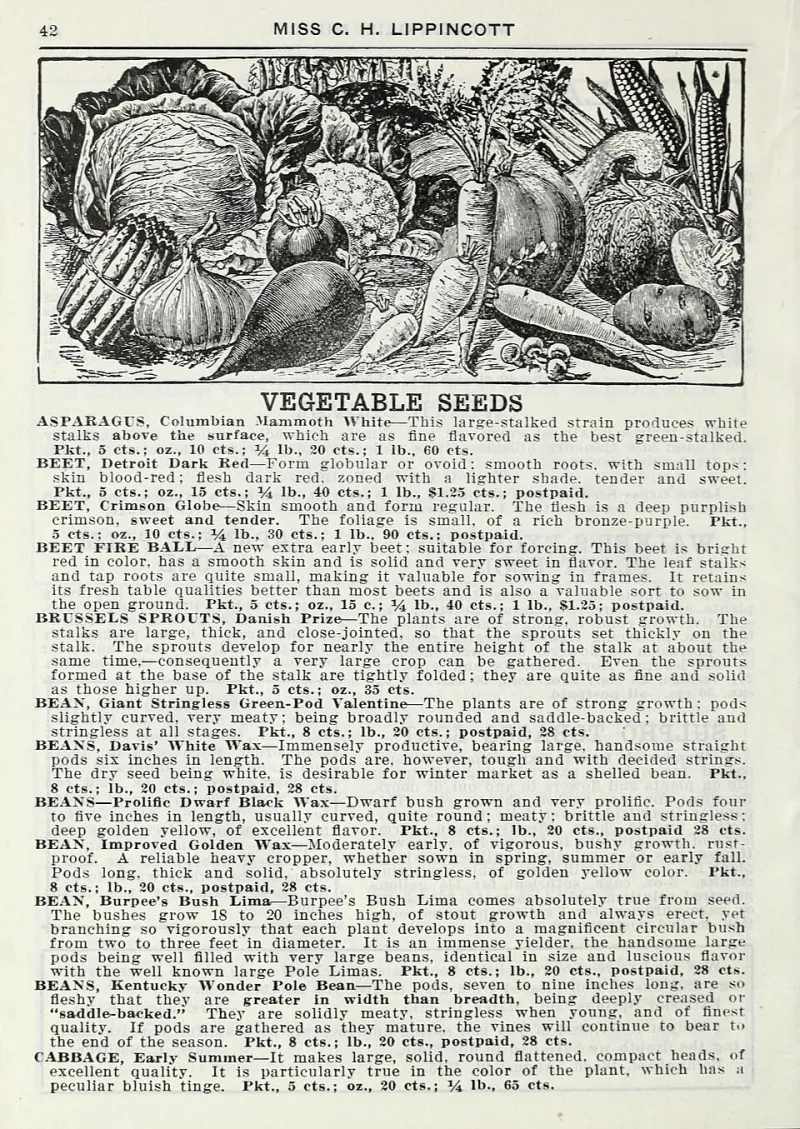
Photo: Henry G. Gilbert Nursery and Seed Trade Catalog Collection.; Miss C.H. Lippincott (Firm), Public domain, via Wikimedia Commons
Walk around any UK allotment site in late November and you’ll see the same stiff little regiments: Brussels sprouts standing to attention, buttons tight, leaves beaded with rain. What you won’t often see is anyone cutting the leafy crown off the top. That’s a shame. The sprout top — the loose, cabbagey rosette at the growing point — is one of the best things a winter plot produces. It’s tender enough to eat raw, sweet enough to roast, and it never turns up in supermarkets because it doesn’t travel. Home growers get the privilege by default.
The bit the supermarket can’t sell
Sprout tops are the plant’s newest leaves, wrapped around the growing tip. They’re softer than the tough outer leaves further down and far less bitter than some button sprouts can be after a frost. Commercial growers usually leave them in the field because a cut crown wilts fast, bruises easily and takes up space that could be filled with buttons. For a home grower, that’s an advantage. You can walk out with a trug, cut a couple of crowns, and have them in the pan within the hour.
The flavour sits somewhere between spring cabbage and a mild sprout: grassy, faintly sweet, with a little pepper at the finish. Younger tops are gentle enough for a raw salad; larger ones benefit from heat. If you’ve only ever met sprouts boiled to khaki mush, this is the part of the plant most likely to change your mind.
How to take the top without sabotaging the buttons
Timing matters more than technique. Don’t cut the crown in September just because it looks lush. Wait until the buttons lower down the stem have formed and firmed up — roughly marble-to-walnut size — and the plant has stopped pushing upwards. In most UK plots that means late November through January, depending on variety and weather.
Use a sharp knife and take the top 10–15cm of leafy growth, cutting cleanly through the stem just above the highest usable buttons. Leave the side leaves on the plant; they’ll keep feeding the buttons that remain. Don’t strip every plant on the same afternoon. Take a crown from the strongest plants first and leave the weaker ones to concentrate on buttons. A plant that has lost its top won’t produce more height, but the buttons already set will continue to swell, and many growers find the remaining sprouts mature a little more evenly.
One practical warning: don’t take the crown from a plant that’s still building its frame. If the buttons are tiny and loose, the top is doing useful work. Patience gives you both a decent button crop and a respectable leafy harvest.
Varieties worth growing for the crown
If sprout tops are part of the plan, choose taller, open-growing varieties rather than the tightest compact buttons. Heritage types such as ‘Evesham Special’ and ‘Bedford Fillbasket’ tend to produce generous leafy crowns and long stems, which suits a cut-and-come-again approach. Reliable F1s like ‘Brodie’ and ‘Crispus’ are worth considering where clubroot is a concern, and ‘Rubine’ adds purple-red foliage to the winter bed — the tops look handsome on the plate, though they fade a little when cooked.
For a large pot, compact F1s are the sensible choice. A 30–40cm pot with good drainage and a soil-based compost will support one plant. Feed modestly through summer, water steadily in autumn, and firm the compost around the stem so the plant doesn’t rock in wind. You won’t get a farm-sized harvest, but a single healthy plant can give you a small bowl of buttons and one proper crown.
In the kitchen: treat it like a leafy green, not a punishment
Sprout tops don’t need the long boil that sprouts sometimes endure. Wash them well — the crinkles hold grit — then slice out any thick stalk and shred the leaves. For a raw salad, dress finely shredded tops with lemon juice, olive oil, a little mustard and salt, and leave them for ten minutes to soften. Add toasted hazelnuts or a crumble of blue cheese if you’re feeling generous.
For a hot side dish, roast shredded tops at 200°C with rapeseed oil, garlic and a few rashers of smoked bacon for 12–15 minutes, until the edges crisp and the stems are tender. A squeeze of lemon at the end keeps the flavour bright. They also work in a quick stir-fry with chilli and ginger, stirred through pasta with butter and parmesan, or simmered into a simple soup with potato and a swirl of cream. The one rule is not to drown them. Treat them like spring greens or savoy cabbage and they’ll behave.
A small harvest with a long season
Sprout tops won’t fill the freezer or win a prize at the village show. That’s not the point. They’re the kind of crop that rewards a bit of attention on a cold afternoon: a free extra meal from plants you were growing anyway, picked at the moment they’re sweetest. If you have a row of sprouts this winter, cut one crown this week and cook it plainly. The buttons can wait. The top is the part the shop never gets to sell you.