Corn Salad for the Sill You Gave Up On: A February Sandwich, Sown in November
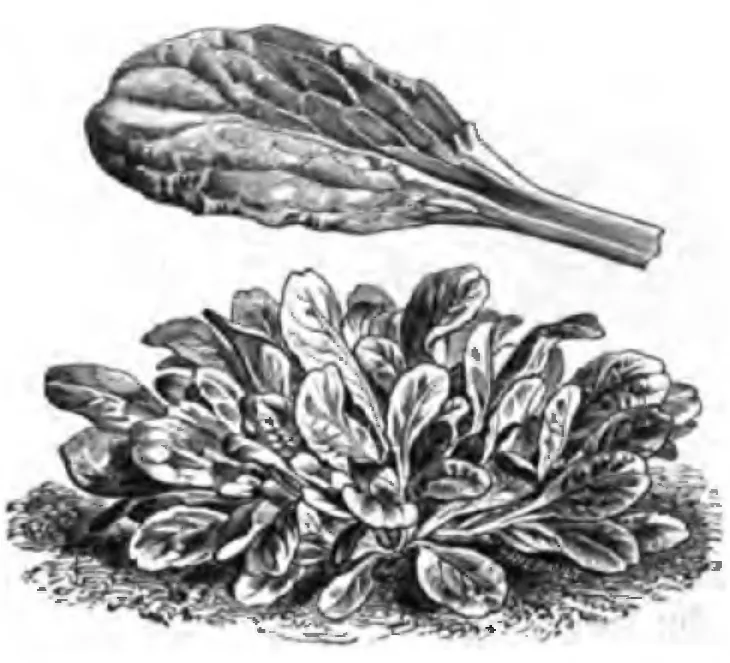
Photo: Vilmorin-Andrieux & Cie, Public domain, via Wikimedia Commons
There is a windowsill in most homes that gets written off around this time of year. It faces the wrong way, or it sits behind a wall, or it is simply the bit of glass that never seems to catch the sun. Mine is a north-facing kitchen sill, roughly 45cm wide, and for years it held a sad basil plant and a jar of forks. This winter it is holding corn salad.
Corn salad — mâche, lamb's lettuce, whatever you call it — is not a flashy crop. It does not bolt skywards in June or fill a salad bowl with frilly leaves. What it does do is germinate in cool, dull conditions and keep growing, slowly, through the worst of the year. That makes it a far better bet than lettuce on a shaded sill. Lettuce wants light and warmth; give it a gloomy November windowsill and you get pale, stretched seedlings that never amount to a sandwich. Mâche evolved to sit out European winters. It tolerates low light, shrugs off frost, and produces leaves with a nutty, almost earthy flavour that makes a plain cheese sandwich feel deliberate.
Why mâche beats lettuce on a dim sill
Light is the limiting factor on any shaded windowsill. Mâche is not demanding about it. It will grow in partial shade, and while growth is slower in a north-facing spot, it is steady rather than sulky. Lettuce seedlings in the same place tend to etiolate — long, weak stems, pale leaves — and then sulk permanently. Mâche stays compact, forming small rosettes close to the compost.
It is also genuinely hardy. Established plants cope with several degrees of frost, and a cold snap does not kill them. It stalls them, which is a different problem, and one I will come to.
The sowing: late November, no fuss
I sowed on 24 November 2026, which is late but not too late. A 30cm pot, about 15cm deep, is enough. Use ordinary multi-purpose compost, leave a couple of centimetres of space below the rim, and make sure the pot has drainage holes. Mâche hates waterlogging more than it hates shade.
Sow thinly — aim for roughly a seed every centimetre — and cover with about 5mm of compost. Water gently, then put the pot on the sill or by the doorstep. Do not put it on a heat mat. Cool conditions are fine; a warm radiator is not. Germination is slow at this time of year, often 10 to 21 days, and patchy germination is normal. Label the pot, because a bare tray of compost for three weeks is a test of faith.
Keep the compost damp but not wet. A windowsill pot in winter dries out slowly, and overwatering is the most common way to lose a sowing. If the pot sits in a saucer, empty it after watering.
Thinning without heartbreak
Once the seedlings are up, thin them to about 5cm apart. This feels brutal when you have waited three weeks for anything green, but crowded mâche produces small, thin leaves. The thinnings are edible — rinse them and put them in a sandwich — so it is not really waste.
If germination is patchy, do not panic and do not re-sow the whole pot. Mâche fills in slowly. A few gaps are fine; the plants will spread into them.
The February cut
By early February, the rosettes should be large enough to pick. You can take individual outer leaves, which keeps the plant growing, or cut a whole rosette at the base. For a sandwich, I prefer picking leaves: five or six small rosettes give a generous handful, and the plants carry on. Cutting whole heads is fine too, but regrowth is modest. This is not a cut-and-come-again crop in the way that rocket is. Think of it as a small, slow harvest rather than a production line.
Wash the leaves in cold water and dry them gently. They are tender and bruise easily. A simple vinaigrette is enough — mâche does not need much. In a sandwich, it works with sharp cheese, beetroot, or cold roast beef. The flavour is mild and nutty, with a slight sweetness that lettuce often lacks in winter.
Yield and the honest cost
A 30cm pot, well thinned, might give 80–120g of leaves over several pickings between February and March. That is not a huge harvest. A supermarket bag of salad — usually around 90–100g — costs roughly £1.70 to £2.00. A packet of mâche seed costs about £2.50 and contains far more seed than one pot needs. If you sow one pot and use a quarter of the packet, the first-year cost is roughly comparable to buying a couple of bags.
The savings are not dramatic. The real advantage is that you pick only what you need, so there is no half-used bag turning to slime in the fridge. And the seed lasts several years, so the second winter is effectively free. It is a small, honest return rather than a spreadsheet triumph.
When the cold stalls everything
The main frustration is a cold snap. Below about 5°C, mâche stops growing. The leaves may redden or take on a purple tinge, which is normal and does not mean the plant is dying. Do not feed it, and do not water more in an attempt to encourage it. Growth will resume when temperatures rise.
If a hard freeze is forecast, move a doorstep pot inside for the night, or drape fleece over it. A windowsill pot is usually protected by the house, but the glass itself can get very cold. Keep it away from icy panes on the coldest nights.
If the stall lasts a fortnight, harvest the small leaves rather than waiting for them to size up. A thin sandwich is better than no sandwich.
A small, stubborn harvest
This is not a crop that will feed a family or impress anyone on Instagram. It is a quiet, stubborn little plant that turns a dead windowsill into something useful. By February, when the plot is sodden and the light is still thin, a handful of corn salad from a pot by the kitchen window is a genuinely good thing. Sow it in late November 2026, thin it without guilt, and pick it small. The sill you gave up on is still in business.