Herbs for the Long Dark: Five Pots That Flavour the Sunday Roast
There is a particular kind of optimism in a supermarket basil pot in November. It arrives glossy, sits on the sill above the radiator, and is brown by Thursday. Meanwhile the kitchen is entering its busiest, most flavour-hungry stretch: gravies, stuffing, bread sauce, roast chicken on a Sunday, and the long, delicious sprawl of Christmas cooking. That is a lot of demand for a windowsill to meet.
So it's worth being ruthless about which herbs actually earn their space through the dark months. These five do — not because they're fashionable, but because each one turns up repeatedly in British winter cooking and each one tolerates a pot, poor light and a distracted owner.
The five that genuinely earn their keep
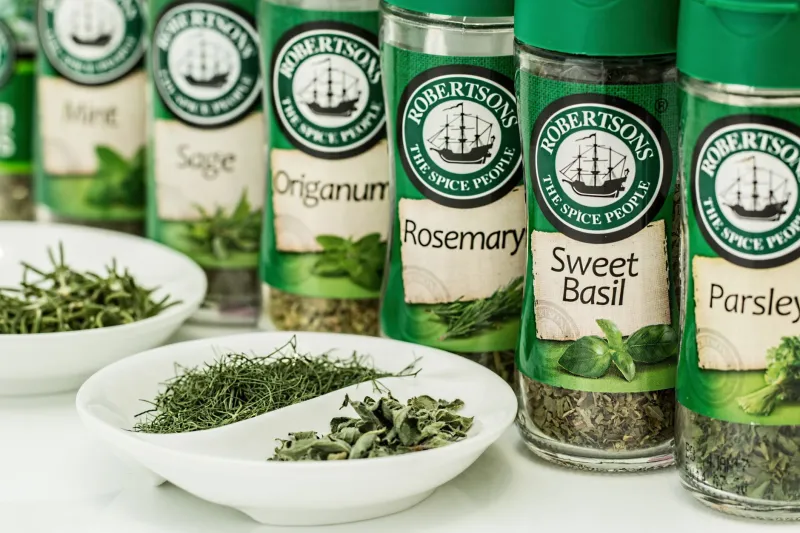
Bay, rosemary, thyme, sage and parsley. That's the shortlist. Basil, coriander, dill and mint are lovely things and I grow them happily, but from November to February they are either sulking, dead, or requiring more coddling than the reward justifies. The five above are woody or tough, mostly Mediterranean, and — crucially — you harvest them in small quantities. A couple of bay leaves, four sprigs of thyme, a few sage leaves shredded into onions. You're not stripping a plant to make a salad.
If you only have room for three pots, take bay, thyme and parsley. That trio covers gravy, stuffing and almost anything with a pan of onions at the base.
Bay: the slow one that quietly pays off
A bay is a shrub, not a herb in the soft, floppy sense, and it wants a decent-sized pot — think 25–30cm across, in a loam-based compost cut with grit. Buy a small plant rather than attempting cuttings, and accept that it will grow slowly. Slow is fine. A bay in reasonable light will give you leaves all winter, and a single leaf in a pan of stock or a tray of roasting vegetables is the difference between something that tastes of gravy and something that tastes of gravy powder.
Harvest by taking individual leaves from the older growth, never stripping a whole branch, and don't take more than a handful at once. Bay also sulks if it dries out completely and then gets flooded, so aim for consistently damp rather than dramatic swings.
Rosemary: drainage is the whole game
Rosemary dies in winter pots for one reason, and it isn't cold — it's wet feet. Use a terracotta pot if you can, mix plenty of horticultural grit into the compost, and raise the pot on feet so water actually leaves. On a balcony, keep it out of the worst of the driving rain; against a wall is better than fully exposed.
Snip 5–10cm tips rather than yanking whole stems, and take them from the top and sides so the plant stays bushy. Rosemary with lamb is the obvious use, but it's also very good chopped finely into the onion base of a sausage stuffing, or scattered over roast potatoes with a lot of salt.
Thyme: small plant, unreasonable generosity
Thyme is the best value herb on this list. It's compact, it's tough, it handles a windowsill, and it will keep producing sprigs right through to spring if you don't butcher it. The one rule: don't cut back into the old, woody stems, because they rarely regrow. Take the soft green tips and leave at least a couple of centimetres of leafy growth on each shoot.
In the kitchen it's the herb I reach for most between November and February — in stuffing, in a tray of root vegetables, in a mushroom sauce, in the stock pot. It also survives being frozen on the stem, which is honestly the easiest way to keep a glut.
Sage: pinch, don't scalp
Sage is a woody perennial that gets leggy fast if you ignore it, so pinch out the growing tips regularly. It's happier than you'd expect in partial shade and it's genuinely hardy, which makes it a good candidate for a balcony pot that gets overlooked.
Take leaves from the top of the plant, a few at a time. Sage and onion stuffing is the headline act, but a couple of leaves fried in butter with a pork chop, or torn into a squash bake, is the sort of small, cheap pleasure that makes a winter kitchen feel less grim.
Parsley: the winter workhorse
Parsley is biennial, which is the thing most people don't know and the reason their parsley goes weird and tall in its second year. For winter supplies, sow flat-leaf parsley in late summer so it's established by autumn; a plant bought now will see you through if you keep it cool.
This is the one herb on the list that wants a bit of shade and consistent moisture. A north-facing windowsill is fine. Cut the outer stems at the base rather than picking individual leaves off the top, and the plant will keep pushing new growth from the middle.
Rescuing the supermarket pot
Those dense little pots are the horticultural equivalent of a packed commuter train. Do this in the first week:
- Divide it. Tip the whole rootball out and gently break it into three or four smaller clumps. Most supermarket herbs — parsley, thyme, rosemary, sage — are several cuttings crammed together.
- Pot them up separately. Each clump into its own pot with proper compost and drainage. This single step is the difference between a fortnight and a season.
- Strip the bottom inch. Remove the lowest leaves so they aren't sitting in damp compost.
- Keep it cool and bright. A kitchen windowsill above a radiator is the worst place in the house. A cooler, brighter sill, a porch, or a sheltered balcony is far better.
- Water less than you think. Winter compost should be barely moist, not wet.
Harvesting without hollowing out the plant
Take a little from several plants rather than a lot from one. Snip with scissors or pinch with your fingers rather than tearing, and always leave the growing tips and a decent amount of leaf on every stem. If a plant starts to look thin, give it a fortnight off. And don't harvest woody herbs hard in the cold — leave serious pruning for spring.
A windowsill with four or five proper pots on it won't feed you through winter, but it will quietly change what comes out of the kitchen. That's a decent return on about half a metre of space.