Noon Readings: Mapping the Real Light on Every Sill in the House
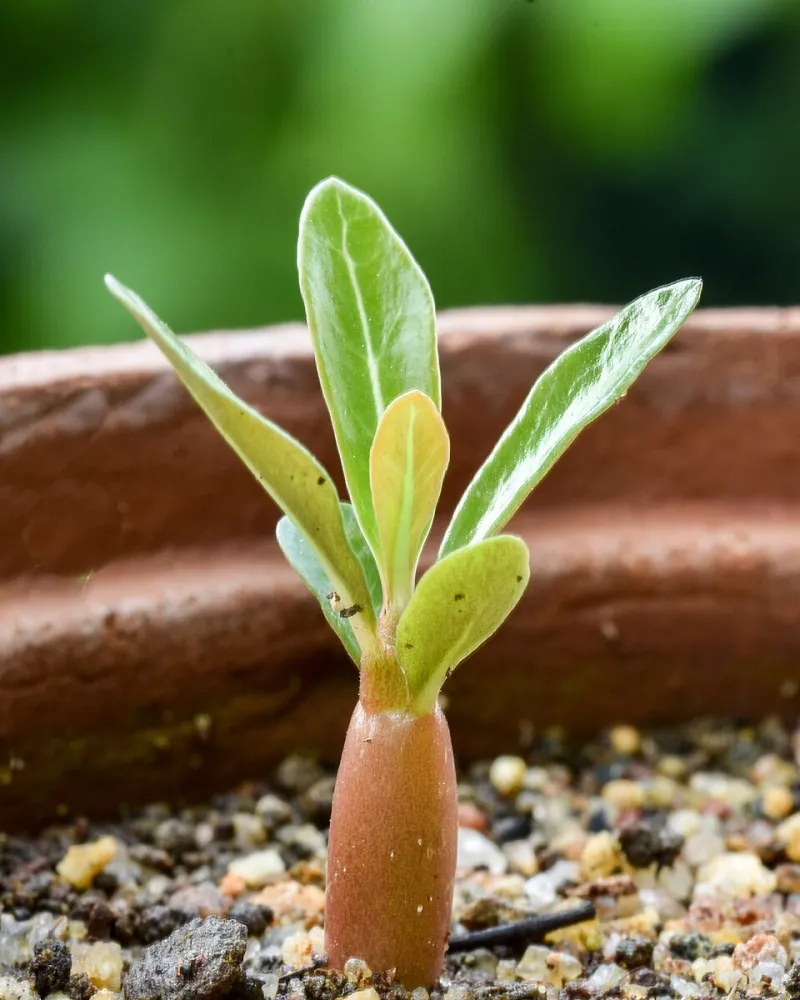
Photo: This Photo was taken by Timothy A. Gonsalves. Feel free to use my photos, but please mention me as the author. I would much appreciate if you send me an email [email protected] or write on my talk page, for my information. Please contact me befo
Every November I do the same thing: buy a packet of winter lettuce, sow it on the sill that looks brightest, and watch it turn into a spindly row of pale stems leaning at the glass like commuters at a bus stop. The seed wasn't the problem. The sill was. It looked bright to my eye, because human eyes are terrible light meters — they adapt to almost anything. A phone is a much more honest witness.
Why a phone is good enough, and where it isn't
You don't need a proper horticultural light meter for this. Any free lux meter app will do, and you should treat the absolute numbers as rough. Phone sensors are uncalibrated, they vary wildly between handsets, and some apps seem to apply their own mysterious smoothing. What they're genuinely good at is comparison — this sill versus that sill, front of the pot versus back, before and after you clean the glass. That's the whole point of the exercise: not to produce a scientific figure, but to rank your windows.
One rule: use the same phone, the same app and the same method for every reading. A set of numbers gathered three different ways is just noise.
Taking a reading that actually means something
The important thing is the light arriving at the leaves, not at the glass. So hold the phone flat, face up, at roughly the height the seedling tops will reach — a few centimetres above the sill, not pressed against the pane. If you hold it vertically facing the window, you're measuring how bright the view is, which is not the same question.
Solar noon in the UK in mid-November falls somewhere around 11.45 to 12.10 GMT depending on where you are, so midday is close enough. Take readings at three points: mid-morning, midday and about two in the afternoon. That gives you the shape of the day rather than one flattering peak.
Then repeat the whole thing on a genuinely grey day. This matters more than the sunny run. December in Britain is mostly overcast, and the dull-day numbers are the ones your plants will live with for the next three months. A sill that hits 4,000 lux in thin sunshine and 400 in flat cloud is a different proposition from one that holds 1,200 either way.
Double glazing, dirt and reflections
Modern sealed units with low-emissivity coatings do trim the light, and old glass that hasn't been cleaned since the summer trims a good deal more. Wipe the inside and outside of one pane, take a fresh reading, and see what you get. It's a free experiment and occasionally a revelatory one.
Reflections are the other half of the story. A pale wall opposite, a white sill, a sheet of foil or card behind the pots — all of these bounce light back onto the leaves. Measure a sill with and without a bit of white card propped behind the tray. On a north-facing kitchen window this can be the difference between a slow, sulking pot and something worth picking.
Rough numbers to work with
Treat these as broad bands, not gospel, and adjust for your own phone once you've compared a few rooms.
| Midday reading on a dull day | What it can realistically carry |
|---|---|
| Under 300 lux | Nothing much. Herbs will hold, not grow. Use a lamp or grow mushrooms |
| 300–700 lux | Pea shoots, microgreens, mint and other tough herbs ticking over |
| 700–1,500 lux | Parsley, chives, lamb's lettuce, cut-and-come-again salad leaf |
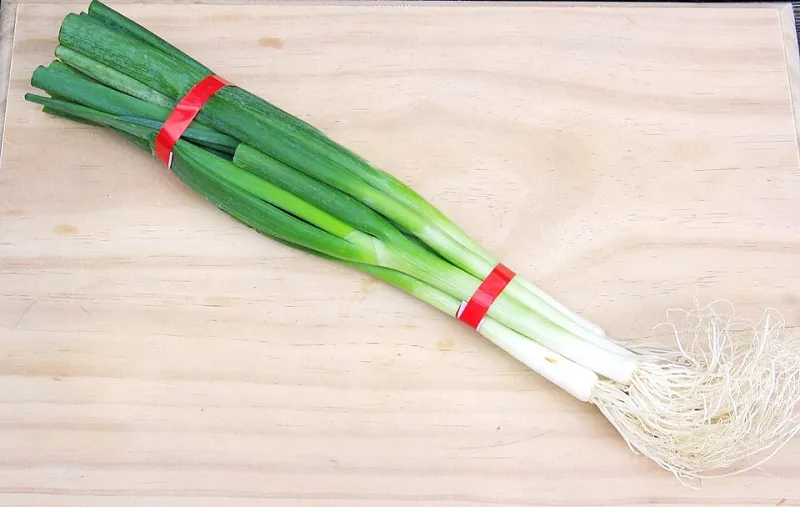
| 1,500 lux and up | Winter lettuce varieties, rocket, land cress, young spring onions |
In winter sun you might see 20,000 lux or more at the glass on a clear day, which sounds enormous, but it lasts for an hour or two and then collapses. It's the dull-day floor that decides whether a crop is viable.
The crops, matched to the sills
Pea shoots are the forgiving ones — they'll push up in surprisingly modest light, though they'll go leggy and thin below about 400 lux. Parsley is steady rather than fast; give it your middling sill, turn the pot a quarter turn every few days and don't expect much before February. Winter lettuce is the fussy one. It needs the best spot you've got, and even then it grows slowly — sow thinly and accept small, tender leaves rather than hearts. Lamb's lettuce and mizuna are more tolerant of a North Yorkshire November behind glass, and cut-and-come-again salads forgive a lot.
What none of them want is a sill where the reading falls off a cliff ten centimetres back from the glass. Check that too: front edge, middle, back. Pots pushed to the back of a deep sill are effectively in a different room.
Mapping the house, room by room
Do the whole house in one sitting and write the numbers straight onto a scrap of paper, room by room, with the date. You'll end up with something genuinely useful: a south-facing bedroom sill that peaks early and fades by two; a kitchen window that's bright at noon but steams up and loses light by mid-afternoon; a bathroom with frosted glass that reads beautifully and grows nothing. The east-facing landing you never considered may turn out to be the second-best spot in the house.
Then run the audit again close to the shortest day. The 21 December numbers are the honest ones, the floor of the year, and they're worth knowing before you commit a tray of seedlings to a sill that will fail them in January.
Let the plants have the last word
A meter tells you why, but the plants tell you whether. After a fortnight, look at the gaps between leaves — stretched internodes, pale colour and stems leaning hard into the glass all mean the light is short, whatever the app said. If the readings and the seedlings disagree, trust the seedlings, and shift the pot to the next sill on your list. The audit just saves you a few wasted packets finding out.