Twenty Minutes Before Dark: Reading Your November Plot Like a Grower
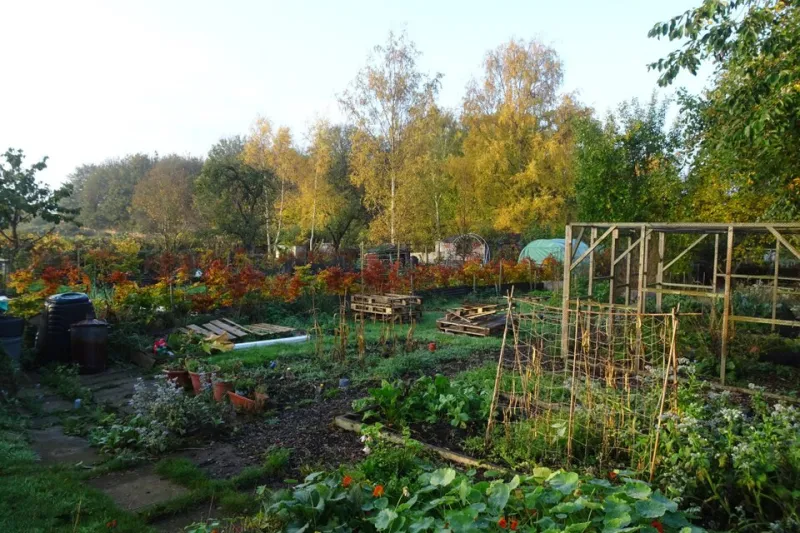
Photo: DS Pugh , CC BY-SA 2.0, via Wikimedia Commons
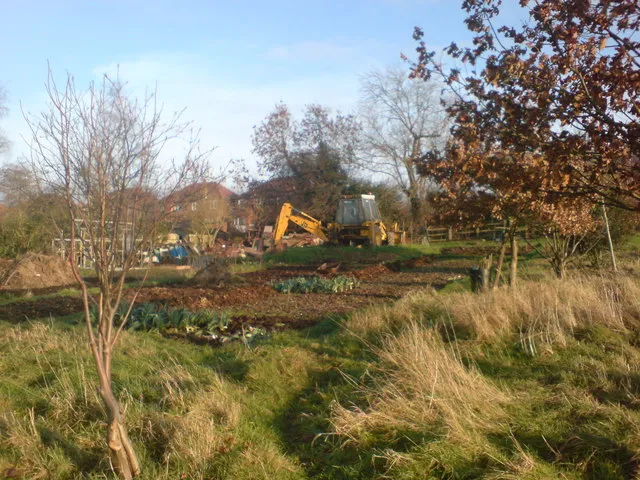
November gets a bad press on the plot. It’s dark by teatime, the paths are slick, and everything looks half-finished. But that half-finished look is useful. This is the month when your growing space stops pretending and starts telling you the truth. A twenty-minute walk-round, notebook in one hand and spade in the other, can save you a surprising amount of guesswork next spring.
The point isn’t to tidy everything into perfection. It’s to read the plot. Where does water sit? What have the slugs been eating? Which roots are still in the ground? Which corner never really got going? You don’t need to buy a soil test, a moisture meter or a fancy planning app. You need to look, write a few notes and make three or four decisions while the details are still visible.
Start where the water sits
Walk the plot after rain, ideally before it has had a chance to dry off. Look for the low spots, the squidgy path edges and the beds where your boots sink further than you’d like. Waterlogging isn’t just a winter nuisance; it’s a clue about what will struggle next year. Roots hate sitting in cold, airless soil, and winter crops can rot quietly in a bed that looks merely damp from above.
Write down where the water gathers. Don’t rush to “fix” it with drainage pipes and gravel. For now, just note it. Next spring, that might become a bed for thirsty crops, a raised mound for something fussy, or a path you stop pretending is a bed. If the wet patch is small, a few spadefuls of soil moved from a higher spot might be enough. If it’s a proper basin, plan to grow in containers or raised rows there rather than fighting it.
While you’re looking at water, check your paths and edges. Are they holding up? Is there a route you keep avoiding because it turns into a slide? A plot audit is partly about how you move around it. If you can’t get to a bed comfortably in November, you’ll resent it in February.
Follow the slug trails
Slugs leave evidence. Look for shredded leaves, silver trails and holes in anything that should have been overwintering. Don’t just note “slugs” and move on. Note where they are worst. Is it the damp corner by the shed? The bed with the thick mulch? The pot that sits in long grass? Slugs are a fact of life, but their favourite routes tell you where vulnerable seedlings will suffer next year.
This isn’t a call to declare war. It’s a call to plan smarter. Maybe next spring’s lettuce goes somewhere breezier. Maybe the hosta-looking corner becomes a herb patch instead. Maybe you stop sowing direct into the dampest bed and raise plants on before planting them out. A notebook line like “slugs heavy in bed 3 after rain” is worth more than a vague memory of disappointment in June.
Also look at what survived despite the slugs. If a particular kale, chard or winter salad is still standing, that’s useful information. Those plants have earned a place in next year’s plan.
See what’s still in the ground
November is full of leftovers. There may be leeks holding on, carrots that never got thinned, beetroot the size of cricket balls, or a row of something you meant to harvest in October. Use the spade gently here. Lift a root or two and look at it properly. Are the carrots forked? Are the leeks solid or starting to bolt? Are there signs of rot at the base?
Leftover roots are not just dinner; they’re a report on your soil. Forked carrots often point to stones or compacted patches. Small, stunted roots might mean crowded sowing or hungry soil. Big, happy roots tell you that bed is working. Write it down before the evidence rots away.
This is also the moment to decide what stays and what goes. Anything that’s clearly finished can come out, but don’t strip the plot bare for the sake of neatness. Bare soil in winter takes a battering from rain. If you have no compost to spread, leave the stems and leaves of healthy crops to break down, or cover the ground with whatever you have. The audit isn’t an excuse to buy a bonfire’s worth of new materials.
Find the shady corners
The low winter sun is brilliant for spotting shade. Go out in the afternoon and see which beds are already in shadow. In summer you might get away with a shady corner for salad, but in winter it stays colder and wetter for longer. That matters for overwintering crops and for early sowings next year.
Note the shade honestly. A corner that gets two hours of weak sun in November is not the place for your earliest radishes or a hopeful row of spring onions. It might be perfect for leaf crops, mint, or a comfrey patch. It might also be the right place for a bench and a bucket rather than a bed. Not every square metre has to grow food, and pretending otherwise is how plots become hard work.
Name what quietly failed
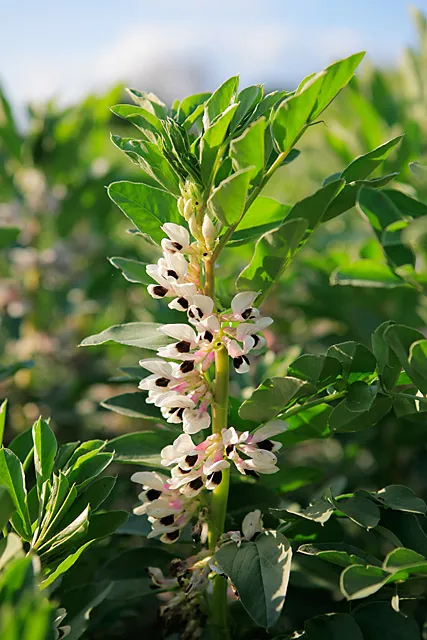
This is the bit most of us skip. Something didn’t work this year. Maybe the broad beans got blackfly. Maybe the courgettes sulked. Maybe the windowsill herbs died in a heatwave. Write it down plainly, without turning it into a story about your failings as a gardener. “Tomatoes in the far bed: poor fruit set, too much shade” is a useful note. “I’m useless at tomatoes” is not.
Be specific about what you actually observed. Was it pests, weather, timing, shade, water, or simply that you didn’t enjoy eating it? A crop that failed because you don’t like it is not a failure. It’s a decision. Next year’s plan should include food you actually want on your plate.
Turn the notes into three spring moves
Before you go inside, stand still for a minute. Look at your notes and choose three things to do differently next year. Not ten. Three. For example: move the salad bed closer to the path, grow fewer courgettes, and put the damp corner down to a crop that doesn’t mind wet feet. Keep it simple enough that you can remember it in March.
This is the real value of a November plot audit. It turns vague intentions into a short list. You don’t need a new plan for the whole plot. You need a few honest observations while the plot is still showing its workings. Twenty minutes before dark is plenty.