Blackened Leaves, Steady Hands: A Post-Frost Triage for Cramped Plots
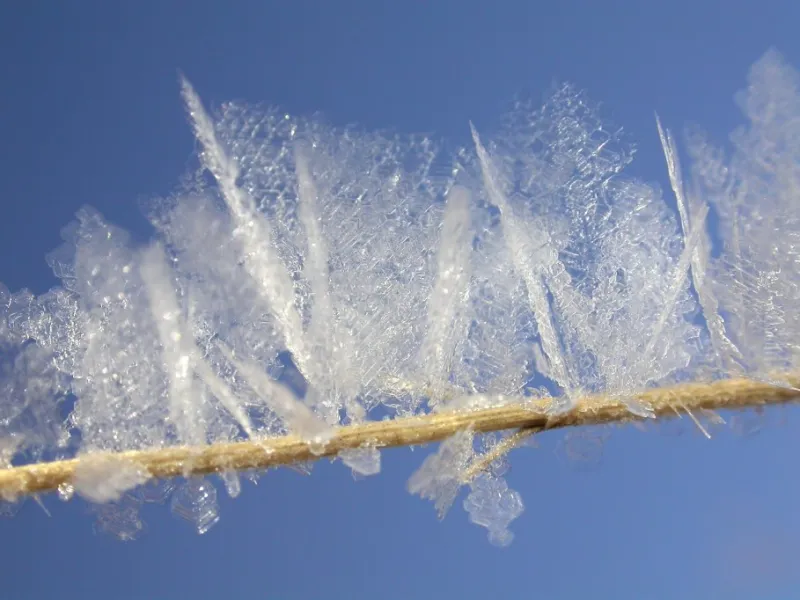
Photo: frost damaged vegetable leaves in UK allotment garden morning, via vistapointe.net
The first proper frost of November 2026 will do what frost always does: it will make your plot look worse than it is. One morning you have leaves that are merely cold and drooping; the next, everything has gone glassy, dark and flat. The instinct is to clear the lot and write the year off. Resist it for an hour. A post-frost walk-round is less about doom and more about diagnosis, and in a small garden that hour is often the difference between pulling something that would have recovered and leaving something that will only rot.
Start with the stems, not the leaves
Blackened foliage is the headline, but the stem is the story. Bend down and look at the growing points and the main stems before you reach for the secateurs. A frosted leaf can be papery and finished while the stem underneath is still firm, green and full of life. If the stem is mushy, brown all the way through, or slips away from the root, that is a different matter. In pots, check the compost line too: a plant that has collapsed above ground but has firm white roots may still have a chance, especially in a sheltered corner.
This is also where small spaces help. You can get close to every plant, so use that. Look for colour in the stem, look for turgor, and look for new growth tucked low down. A courgette stem that has turned to slime is done. A chard crown with limp outer leaves but a tight, pale centre is not.
The cut-now list
Some crops are frost-sensitive enough that there is no point in waiting. Tomatoes, courgettes, French beans, runner beans, cucumbers and basil are the usual candidates. If their foliage has been properly hit, cut them back rather than leaving soft, wet material standing about. In a damp UK autumn, collapsing stems are an open invitation to rot and slugs. Clear the worst of it, but keep anything that looks disease-free for the compost heap or green waste collection, depending on what your council takes.
With tomatoes, pick anything that is still green and firm before you pull the plant. They may ripen on a sunny windowsill, or they may become chutney; either is better than leaving them to turn to mush outdoors. With beans, check for pods that were nearly ready. A frosted pod is not a disaster if you catch it early, but it will not improve.
Soft herbs are worth a quick assessment. Parsley and coriander may look finished. Basil almost certainly is. Hardy herbs such as rosemary, thyme and sage usually shrug off a normal frost, so do not bundle them into the cut-now pile just because they look sulky.
The wait-and-see bench
Then there is the group that rewards patience. Leeks, parsnips, carrots, kale, Brussels sprouts, purple sprouting broccoli and winter chard are not automatically written off by one cold night. Some actually improve after frost, converting starches to sugars, and many brassicas look limp for a day or two before firming up again. Leave them standing. If you cut a kale plant back to nothing now, you lose the very leaves that would have fed you through December.
There is a caveat for pots and raised beds. Anything in a small volume of compost freezes harder and faster than ground-grown crops. A potted kale may need moving against a wall or into a cold frame, but do not rush to harvest it just because the outer leaves have gone over. Strip the worst leaves, leave the crown, and let the plant tell you what it wants to do.
Leave some of it standing
Not every damaged stem needs to leave the plot. Seed heads can stay for birds, and hollow stems are useful overwintering habitat for insects. In a small garden, though, you have to be selective. A collapsed bean wigwam in the middle of a bed is just clutter; a few teasels, sunflowers or brassica stalks at the back can earn their place. The rule is simple: leave structure where it does not smother something else, and clear soft, diseased material promptly.
If you want to save seed from a frost-hardy crop, check that the seed itself is dry and mature before the weather turns properly wet. Frost on a seed head is not automatically fatal, but repeated wetting and freezing is. Bring small quantities indoors to finish drying if they are close to ready.
Turn the damage into notes
This is the part that pays you back next year. Before you clear anything, take a few photographs and jot down three things: what was damaged, where it was, and what the weather did. The bed by the fence may have caught the cold air; the pot by the warm wall may have come through unscathed. That is not random. It is a map of your plot’s microclimates, and it is far more useful than a general memory of ‘the frost got things’.
Note the varieties too. Two kale plants in the same bed can behave quite differently, and a tomato that shrugged off an early frost is worth remembering. Add the date of the first hard frost in 2026 and the crops that were still standing. Next autumn, that page will tell you what to fleece, what to move, and what to sow a week earlier.
A short routine for the morning after
Take a bag for debris, a pair of secateurs and a notebook. Walk the plot once without cutting anything. Check stems, crowns and roots. Then go back and cut only what is genuinely soft and finished. Pick usable green tomatoes and beans. Leave hardy crops alone, even if they look sorry for themselves. Finally, write the notes while your hands are still cold and the details are fresh.
Frost is not a verdict on your growing year. It is a diagnostic tool, and a fairly blunt one. In a small plot, the best response is not to clear the lot in a fit of tidying, but to read what the cold has told you, rescue what is worth rescuing, and put the rest down to experience.